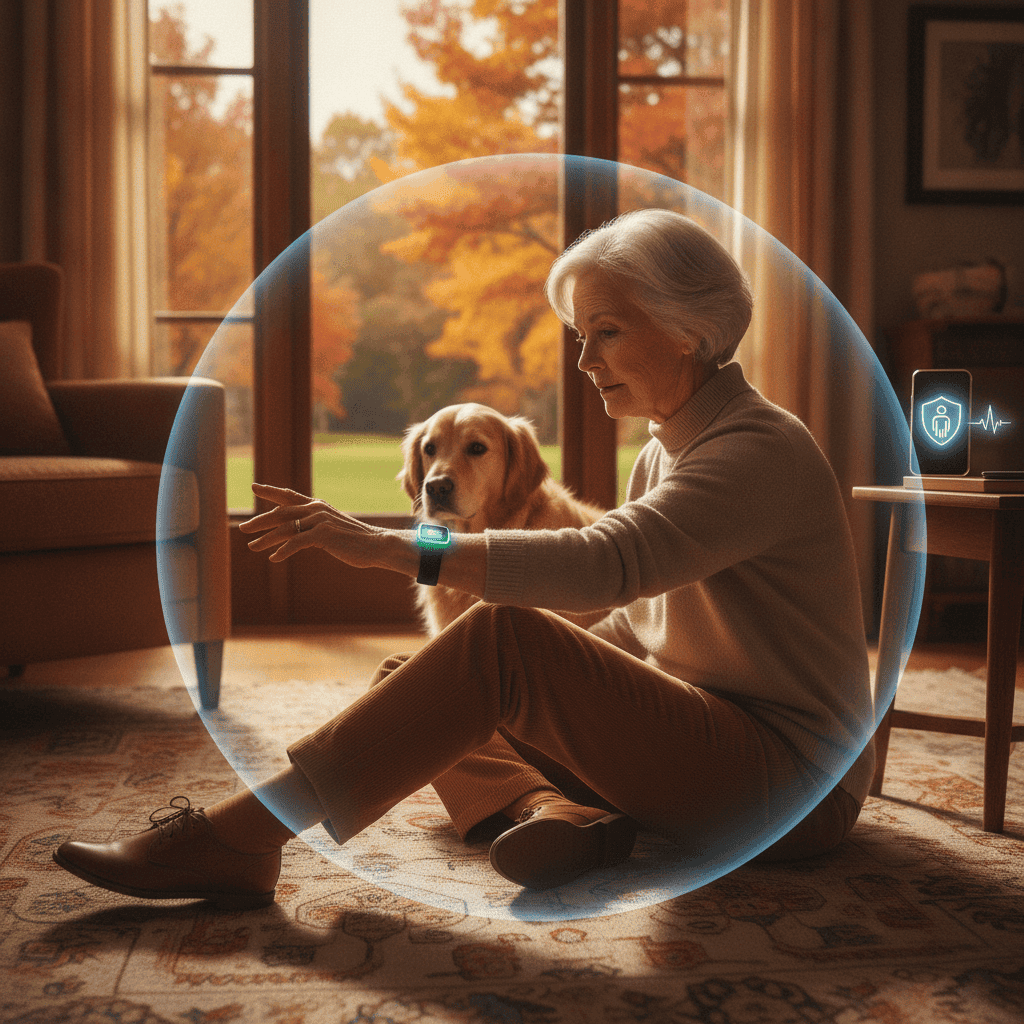
The thought of a loved one falling can be very unsettling. Many families worry about older relatives living alone, or individuals with certain health conditions, where a sudden fall could lead to serious injury or a long wait for help. This concern is valid and very common.
I understand this worry because I have seen firsthand the impact of falls. They can reduce independence and create significant stress for everyone involved. Thankfully, technology offers a powerful solution in the form of fall detection bracelets.
These innovative devices provide a crucial layer of safety. This article explains how fall detection bracelets work to keep you safe and offer much needed peace of mind.
Understanding the Risk of Falls for Older Adults
Falls represent a major health concern for older adults globally. I have learned that one in three people over 65 experience a fall each year. These incidents are not just minor bumps and bruises but can lead to severe injuries, prolonged recovery times, and a significant decrease in quality of life.
Our bodies change as we age, and so does our balance and strength. Conditions like osteoporosis, vision problems, and certain medications can all increase the likelihood of a fall. Even familiar surroundings can become hazardous with age because of these changes. We often underestimate how much these factors combine to elevate risk.
The fear of falling itself can be a major problem. It can cause older adults to restrict their activities, leading to social isolation and muscle weakness. This creates a cycle where reduced activity further increases the risk of future falls. It is a quiet but impactful struggle.
The Physical and Emotional Impact
A fall can result in fractures, head injuries, or soft tissue damage. These physical injuries often require medical intervention, which might include surgery, hospital stays, and lengthy rehabilitation. The path to recovery is often challenging and can dramatically alter one’s daily routine.
Beyond the physical toll, the emotional impact is profound. I have seen how a single fall can erode an individual’s confidence. This loss of self-assurance can lead to a fear of leaving the house or even moving around their own home. It often marks a turning point where independence feels threatened.
For family members, the emotional burden is also heavy. They might feel constant anxiety about their loved one’s safety. This worry can affect their own daily lives, making it hard to focus on other tasks. Finding a solution that truly helps alleviate this stress is extremely important for everyone involved.
How Fall Detection Technology Works in Bracelets
Fall detection bracelets use advanced sensors to identify when a fall occurs. I have found these devices rely on small, powerful components like accelerometers and gyroscopes. These sensors are always working in the background to measure movement and orientation.
An accelerometer measures linear acceleration, which tells the device how fast and in what direction it is moving. A gyroscope measures angular velocity, which means it detects changes in rotation or tilt. When combined, these two sensors provide a comprehensive picture of the wearer’s motion.
Sophisticated algorithms are at the heart of these devices. They analyze the data from the sensors in real time. These algorithms are designed to recognize the distinct patterns of a fall, such as a sudden drop followed by impact and then a period of inactivity. They are carefully calibrated to distinguish between a genuine fall and everyday movements like sitting down quickly or bending over.
Developing these algorithms takes a lot of research. Manufacturers work hard to reduce false alarms while ensuring actual falls are always detected. They often collect data from thousands of simulated and real-life scenarios to refine their detection capabilities. This ongoing improvement makes the technology more reliable every year.
Automatic Alerting and Rapid Response
The most important feature of fall detection bracelets is their ability to send an automatic alert. When the device detects a fall, it triggers an immediate response. This can be critical because every minute counts after a fall, especially if the person is injured or unable to move.
Once a fall is detected, the bracelet connects to a monitoring center or sends alerts to pre-programmed contacts, such as family members or caregivers. Some devices will try to establish two-way communication with the wearer first, asking if they are okay. If there is no response, or if the wearer confirms they need help, the alert process continues.
Professional monitoring centers are staffed 24/7. These trained operators can quickly assess the situation and dispatch emergency services if needed. They also notify designated family members, ensuring someone always knows about the incident. This speed of response is what makes fall detection alert devices such a vital tool.
The Role of Monitoring Services
The monitoring service plays a vital role in the safety chain. When an alert comes in, trained professionals are ready to act. They have immediate access to important user information, including medical conditions and emergency contacts.
These services often have protocols for different scenarios. For example, if someone activates the alert manually but does not respond, the operator might first try contacting family members. If no one can be reached, or if the situation seems urgent, they will directly contact paramedics or local emergency services. This structured approach helps ensure the fastest and most appropriate help arrives.
I believe this human element greatly enhances the effectiveness of these bracelets. It means that even if a person is disoriented or unconscious after a fall, someone is actively working to get them the help they need. This provides an immense sense of security for both the wearer and their family.
Beyond Falls: Additional Safety Features
Many modern fall detection bracelets offer more than just fall alerts. These extra features make the devices even more valuable for daily safety and well-being. I have seen how these additional capabilities can enhance overall protection and peace of mind.
One common feature is two-way communication. This allows the wearer to speak directly to a monitoring center operator or a designated contact through the bracelet itself. It means help can be requested even if no fall has occurred but the wearer feels unwell or needs assistance. This direct line of communication is reassuring for many users.
GPS tracking is another significant benefit. If a fall happens outside the home, GPS can pinpoint the wearer’s exact location. This is incredibly helpful for outdoor activities or for individuals who might wander or get disoriented. Knowing that help can find you wherever you are brings a lot of comfort.
Some bracelets also include medication reminders, activity tracking, or heart rate monitoring. These health-focused features provide a more comprehensive overview of a person’s well-being. They can help promote healthier habits and alert caregivers to potential issues before they become critical. Many bracelets are also waterproof because a significant number of falls happen in bathrooms.
Empowering Independence and Peace of Mind
Fall detection bracelets are not just about preventing serious injuries. They are also about empowering individuals to maintain their independence. I have personally witnessed the positive impact these devices have on people’s lives. They allow individuals to continue living in their own homes and engage in their favorite activities with greater confidence.
The knowledge that help is readily available reduces the constant worry that often accompanies living alone. This sense of security can encourage older adults to stay active and socially connected. They can move about their day knowing that if an accident were to occur, a safety net is in place to catch them.
For family members, these bracelets deliver invaluable peace of mind. The constant worry about a loved one’s safety can be emotionally draining. Knowing that an automatic alert system is active significantly alleviates this burden. It allows families to worry less and focus more on enjoying their time together.
I often hear stories where these devices made a critical difference. One instance involved an elderly woman who fell while gardening. She was unable to get up or reach her phone, but her bracelet automatically called for help. Emergency services arrived quickly, and she received the care she needed. These real-life examples show the profound value of these simple yet powerful tools.
Choosing the Right Fall Detection Bracelet
Selecting the right fall detection bracelet involves considering several factors to ensure it meets individual needs. I always advise people to think about how the device will fit into their daily life. What works for one person might not be the best choice for another.
Battery life is a very practical consideration. You want a device that can last throughout the day without needing frequent recharging. Comfort is also key because the bracelet needs to be worn consistently to be effective. Look for lightweight and adjustable options that do not irritate the skin.
Ease of use is another important aspect. The simpler the interface, the more likely the person will wear and use it correctly. This includes simple buttons for manual alerts and clear indicators for battery status. We also look at whether the device is waterproof because baths and showers are common places for falls.
Finally, consider the monitoring options and associated costs. Some systems connect to a 24/7 professional monitoring center, which typically involves a monthly fee. Other devices might simply alert family members directly. Weigh these options based on your budget and the level of support desired for the user. I believe researching thoroughly and asking questions about these points is essential for making an informed decision.
A Vital Tool for Enhanced Safety
Fall detection bracelets are an invaluable asset for maintaining safety and independence, especially for older adults or individuals prone to falls. These devices leverage sophisticated technology, like accelerometers and gyroscopes, to accurately identify falls. Their ability to trigger automatic alerts to monitoring centers or family members ensures that help is dispatched quickly when it is most needed.
Beyond fall detection, many bracelets offer a suite of additional features. Two-way communication, GPS tracking, and health monitoring capabilities all work together to provide a comprehensive safety net. These features empower individuals to live more independently, knowing that support is always within reach. This freedom from constant worry is a significant benefit for both the wearer and their caregivers.
I have observed the positive shift in confidence these bracelets provide. They transform anxiety into assurance, allowing people to engage with their lives more fully. So, if you or a loved one are concerned about the risk of falls, I strongly encourage you to explore the various fall detection bracelet options available. Research different models, compare features, and consider consulting with a healthcare professional to find the best fit. Taking this step can significantly enhance safety and provide peace of mind for everyone involved.