Running a retail unit feels like juggling many spinning plates. You think about sales, inventory, and customer service every day. But one thing I learned over the years is that proper maintenance often gets overlooked, and that is a huge mistake. Maintaining a retail space is not just about keeping it clean. It is about creating an environment that invites customers, keeps operations smooth, and protects your investment.
I have seen firsthand how a well-maintained store can boost sales and customer loyalty. People notice the little things. A squeaky door, a flickering light, or a dusty shelf can turn a potential buyer away faster than you might think. We need to remember that our retail space is a direct reflection of our brand. It speaks volumes about the quality we offer and the care we put into our business.
Setting clear maintenance standards keeps everything running like a well-oiled machine. It helps prevent bigger problems later on, which saves money and stress. By actively managing the physical aspects of a retail unit, we ensure a safe, appealing, and efficient space for everyone. This article will lay out some key maintenance standards every retail business should adopt.
Establishing Comprehensive Daily Cleaning Protocols
Maintaining a clean retail unit starts with solid daily cleaning protocols. This is not just about wiping down surfaces. It involves a systematic approach that covers every part of your store. I always emphasize to my team that consistency is key here. A quick sweep at closing time is simply not enough to maintain high standards.
We need to create a detailed checklist for daily cleaning tasks. This ensures nothing gets missed. Every employee should understand their role in keeping the store spotless. It includes tasks from floor care to dusting displays and sanitizing high-touch areas. When customers walk in, they should feel comfortable and impressed by the cleanliness.
Floor Care Routines
Floors are often the first thing customers notice. Dirty or scuffed floors give a bad impression. Our daily routine must include sweeping and mopping all sales areas, fitting rooms, and back rooms. For stores with carpets, vacuuming needs to be a daily task, especially in high-traffic zones. I suggest using entrance mats to catch dirt before it spreads.
Sometimes spills happen, so a quick response is important. We instruct staff to clean up spills immediately to prevent slips and falls. This also stops stains from setting in. Regular waxing or buffing of hard floors helps maintain their shine and extends their lifespan. It makes a significant difference in the overall appearance.
Surface and Display Dusting
Dust can settle quickly on shelves, products, and display cases. This makes everything look old and neglected. Daily dusting is a must. We use microfiber cloths to effectively capture dust particles without leaving streaks. It is important to pay attention to areas that are not immediately eye-level, like the tops of shelves or light fixtures.
Product displays deserve special care. They highlight the items we want to sell. A dusty display deters customers. I teach staff to carefully dust around products and ensure all signage is clean and legible. This small effort makes products seem more appealing and well-cared for, which helps encourage purchases.
Implementing Regular Equipment Inspections and Service
Beyond daily cleaning, regular equipment maintenance is critical for retail units. Broken equipment can disrupt operations, frustrate customers, and even pose safety risks. I have learned that being proactive saves a lot of headaches and money down the line. We schedule routine checks for everything from lighting to point-of-sale systems.
Preventative maintenance helps us catch small issues before they become major breakdowns. This approach minimizes downtime and keeps our business running smoothly. It also extends the life of our equipment, reducing the need for costly replacements. A small investment in upkeep now prevents bigger expenses later.
HVAC System Maintenance
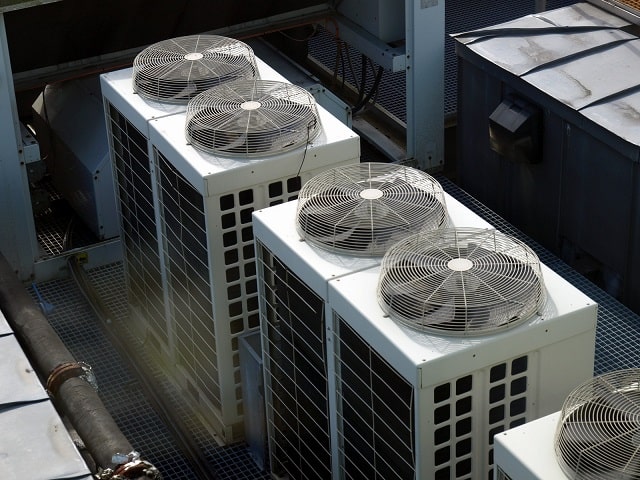
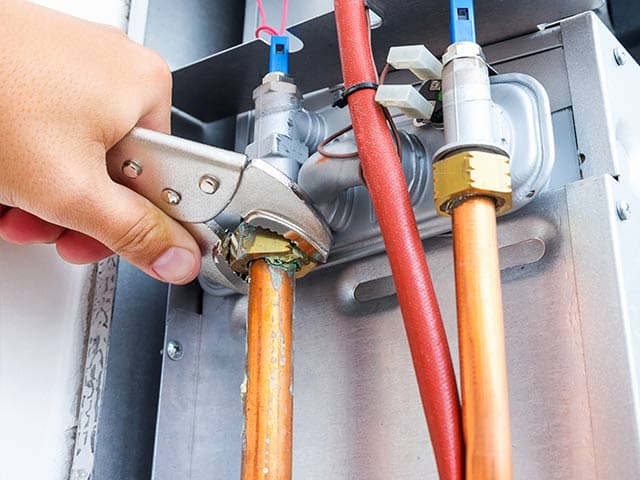
A comfortable store environment is essential for customers and staff alike. This means our heating, ventilation, and air conditioning (HVAC) systems must work perfectly. We schedule professional inspections for our HVAC units twice a year. This ensures they are operating efficiently and effectively.
These inspections include checking filters, cleaning coils, and verifying proper refrigerant levels. Dirty filters reduce air quality and make the unit work harder. This increases energy costs. A well-maintained HVAC system keeps the store at a pleasant temperature, which encourages customers to browse longer and feel more at ease.
Lighting and Electrical Checks
Good lighting enhances product visibility and creates a welcoming atmosphere. We have a system for regularly checking all light fixtures. This includes replacing burnt-out bulbs promptly and ensuring all lighting is consistent. Flickering lights can be distracting and make a space feel unwelcoming.
Our electrical systems also need regular attention. We arrange for qualified electricians to inspect wiring, outlets, and circuit breakers periodically. This prevents potential hazards like shorts or power outages. Ensuring all electrical components are in good working order keeps our staff and customers safe, and our operations uninterrupted.
Managing Inventory and Storage Areas Effectively
Maintaining retail units is also about keeping back-of-house areas organized and efficient. Disorganized inventory and cluttered storage spaces slow down operations and can create safety issues. I always advocate for clear standards in these areas because they directly affect how quickly we can serve customers and restock shelves.
A messy storage room can also lead to damaged goods or misplaced items. This costs money and wastes time. By implementing strict organizational practices, we improve efficiency, reduce waste, and create a safer work environment for our employees. It is an often-forgotten aspect of overall maintenance.
Organized Stockroom Protocols
Our stockroom is the heartbeat of our inventory management. We label all shelves and bins clearly. This helps staff quickly locate items. We also use a “first-in, first-out” (FIFO) system for perishable goods or items with expiry dates. This minimizes spoilage and ensures product freshness.
We train our staff on proper stacking techniques to prevent items from falling and causing injury or damage. Aisles must remain clear and free of obstructions. This allows for safe movement and efficient restocking. A well-organized stockroom means faster inventory counts and less time spent searching for products.
Regular De-cluttering and Waste Management
Clutter accumulates quickly in retail. We schedule weekly de-cluttering sessions for both front-of-house and back-of-house areas. This involves removing expired marketing materials, broken fixtures, and any unused equipment. It keeps the store looking fresh and prevents hazards.
Effective waste management is another priority. We have clearly marked recycling bins and a consistent schedule for trash removal. This keeps our premises tidy and promotes eco-friendly practices. Proper waste disposal also helps control pests and maintain a hygienic environment, which is vital for any retail business.
Maintaining Exterior Appearance and Accessibility
The exterior of a retail unit is the first impression we make on potential customers. It draws them in or pushes them away. I have seen many businesses fail to realize how important curb appeal is. A neglected exterior suggests a neglected interior and a lack of attention to detail overall.
We need to ensure our storefront, signage, and entryways are clean, inviting, and fully accessible. This not only attracts more customers but also complies with accessibility regulations. Investing in the exterior appearance is an investment in our brand’s reputation and customer acquisition.
Storefront and Signage Upkeep
Our storefront windows are cleaned regularly, free of smudges and fingerprints. Clear windows allow customers to see our products clearly and attractively. We also inspect our signage often. This means checking for faded colors, broken lights, or missing letters. A well-maintained sign is easy to read and projects professionalism.
We also keep the area directly outside our store clean. This means sweeping away debris, removing litter, and keeping plants trimmed. A welcoming entrance encourages people to step inside. It sets a positive tone even before they cross the threshold.
Parking Lot and Walkway Standards
For many retail units, the parking lot and walkways are part of the customer’s first experience. We make sure these areas are well-lit, free of potholes, and clear of debris. Regular sweeping and power washing of sidewalks prevent dirt buildup and maintain a crisp look. I find this simple act makes a huge difference.
During winter months, we ensure snow and ice are removed promptly to prevent slips and falls. Adequate lighting in parking areas also provides a sense of security for evening shoppers. This shows our commitment to customer safety and convenience, which fosters a positive shopping experience.
Implementing Robust Security and Safety Measures
Maintaining a retail unit also involves strong security and safety protocols. This protects our assets, staff, and customers. Ignoring these standards can lead to theft, injury, or even legal issues. I believe a safe environment is a fundamental right for everyone who interacts with our business.
We do not cut corners when it comes to security and safety. We regularly review and update our procedures to address any new risks. This commitment builds trust with our employees and customers. It shows we prioritize their well-being above all else, which makes for a more secure and reliable operation.
CCTV and Alarm System Checks
Our surveillance cameras and alarm systems are essential security tools. We perform weekly checks to ensure all cameras are recording clearly and are positioned correctly. Alarm systems are tested monthly to confirm they are fully functional. This proactive approach helps us deter theft and respond effectively to any incidents.
It is also important to ensure all security software is up to date. Outdated systems can be vulnerable. We also verify that emergency contacts for our alarm monitoring service are current. This gives us peace of mind knowing our security infrastructure is sound and ready.
Fire Safety and Emergency Preparedness
Fire safety is non-negotiable. We conduct regular inspections of fire extinguishers, ensuring they are accessible and charged. Emergency exits are always kept clear and well-marked. We also schedule routine checks of our sprinkler systems and smoke detectors. This ensures they are in working order.
Staff training on fire evacuation procedures and the location of safety equipment happens every six months. We practice drills to ensure everyone knows what to do in an emergency. Preparing for such events keeps our staff and customers safe and helps us comply with all safety regulations. A retail unit should always be prepared for the unexpected.
Optimizing Restroom and Breakroom Sanitation
The cleanliness of restrooms and breakrooms significantly impacts both customer perception and employee morale. Many customers judge a business by its restrooms. I have learned that a dirty restroom can completely negate all the effort put into the sales floor. These areas need special attention because they are used frequently and can quickly become unsanitary.
For employees, a clean and functional breakroom shows that we care about their well-being. This contributes to a positive work environment and increased productivity. Neglecting these spaces leads to dissatisfaction and potential health issues. We always strive to make these areas shine, just like our main retail space.
Restroom Cleaning Schedules
Restrooms require frequent cleaning throughout the day, not just once. We implement a strict schedule for cleaning and sanitizing all surfaces, including toilets, sinks, and floors. Soap dispensers and paper towel holders are refilled regularly. A sign-off sheet helps track when the last cleaning happened.
We also make sure to use high-quality cleaning products that effectively disinfect and leave a fresh scent. Odor control is a big part of restroom maintenance. A clean and fresh-smelling restroom leaves a positive impression on customers, and it speaks volumes about our overall standards.
Employee Breakroom Tidiness
Our employee breakroom is a shared space. We set clear guidelines for staff to keep it tidy after use. This includes cleaning up spills, washing dishes, and properly disposing of food waste. A clean breakroom fosters a sense of respect among employees and promotes a healthier work environment.
Regular deep cleaning of appliances like microwaves and refrigerators is also part of our schedule. These areas can harbor germs and unpleasant odors if neglected. Providing proper storage for food and clear labeling helps keep the space organized. It makes the breakroom a pleasant place for staff to recharge.
Conclusion: Elevating Your Retail Space Through Diligent Maintenance
Maintaining high standards for your retail units is not an optional expense. It is a fundamental part of running a successful business. I have seen that a well-kept store directly impacts customer experience, operational efficiency, and overall brand perception. We attract more customers when our spaces are clean and inviting. We keep them coming back with a professional and safe environment.
Diligent maintenance prevents small problems from growing into costly repairs or major disruptions. It also extends the life of your equipment and infrastructure, which saves money in the long run. From daily cleaning protocols and regular equipment inspections to efficient inventory management and meticulous exterior upkeep, every detail matters. Focusing on security, safety, and the often-overlooked cleanliness of restrooms and breakrooms further strengthens your business foundation. These efforts create a positive atmosphere for both your customers and your dedicated team. You might even find opportunities to improve efficiency in other areas of your business, like a vending machine business. I encourage you to review your current maintenance practices. Look for areas where you can implement these standards. Your commitment to excellence in maintenance will clearly set your retail unit apart from the competition. Take action today to cultivate a retail environment that truly reflects the quality and care your brand embodies.